
 Türkçe
 Русский
 Español
 Deutsch
 Français


What You Need to Know About Gallstones
The gallbladder is an organ that stores bile during periods of fasting and directs it into the intestine during meals. Bile is produced in the liver and comes to the gallbladder. In some people, crystals form depending on the chemical composition of the bile. Over time, these crystals can reach the size of a grain of sand and later the size of a stone. In some cases, they merge and thicken to form a deposit; this is called biliary sludge.
Why Do Gallstones Form?
Although the exact cause is not fully known, the most important factor is thought to be the genetic characteristics that determine the chemical composition of bile. In addition:
-
Use of certain hormone-like medications,
-
Obesity and a sedentary lifestyle,
-
Diabetes and liver diseases,
-
Certain blood diseases
can increase the risk of gallstone formation. Stone formation is more common in women and over the age of 40. Studies have found gallstones in 17% of women over 60 in Europe, 9% in America and 15% in Türkiye. In men, this rate is around 6–12%.
Symptoms and Complications
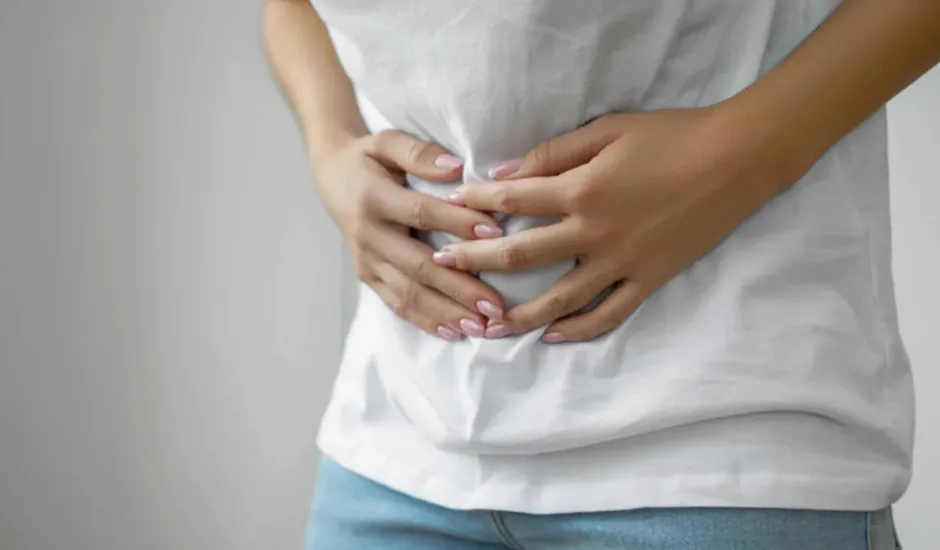
The vast majority of gallstones are “silent stones,” meaning they cause no symptoms and are often detected incidentally by ultrasonography. In stones that cause symptoms, the most common symptom is pain; it usually occurs in attacks over the stomach or in the right abdominal region, especially after meals. This pain can sometimes wake a person from sleep at night and may be accompanied by nausea.
If symptomatic stones are not treated, complications can develop. These include:
-
Severe pain and fever due to inflammation of the gallbladder,
-
Obstructive jaundice resulting from a stone passing into the common bile duct,
-
Pancreatitis due to the obstruction.
Diagnostic Methods
Gallstones are usually diagnosed by ultrasonography. If there is inflammation in the gallbladder, ultrasound can show this as well. For a detailed examination of the gallbladder, CT (computed tomography) may be used. If a stone has passed into the bile duct, the diagnosis is made by endoscopic ultrasonography (EUS) or MRCP (MRI of the bile ducts).
Treatment
Silent stones do not require treatment; follow-up with annual ultrasound checks only is recommended. If pain or complications have developed, surgery is the only treatment method. Today, the most common method is laparoscopic (closed) gallbladder surgery; it is usually a safe and uncomplicated method.
If the gallbladder is inflamed, antibiotic treatment is given first. If there is a stone in the common bile duct, the stone is first removed endoscopically with ERCP, and gallbladder surgery is performed afterward.