
 Türkçe
 Русский
 Español
 Deutsch


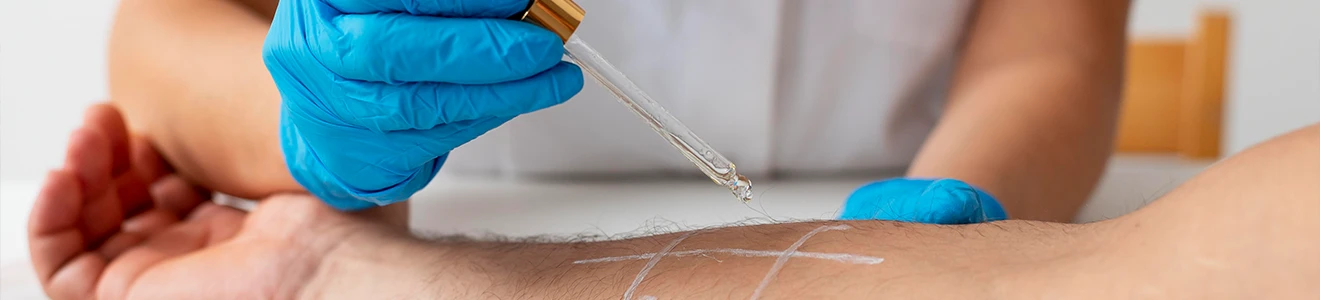
Treatment and Long-Term Follow-Up
Step-by-Step Treatment and Follow-Up Process in Allergy Management
Allergic diseases and immune system disorders are not simple conditions that can be resolved with a single prescription; they require a long-term partnership and close follow-up. As Egemed Hospital, we go through the following stages together with our patients on the path from diagnosis to permanent recovery:
Avoidance and Environmental Control Education
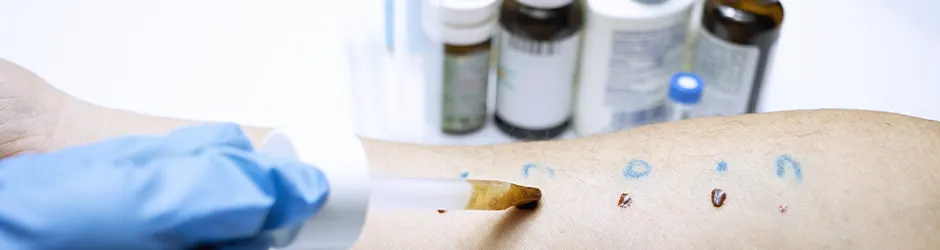
This is the first and most important step taken after the responsible allergen (pollen, dust mite, cat/dog dander, specific food) is identified based on test results. Our specialist physicians provide comprehensive education on how to avoid these allergens in daily life, how to clean your bedroom, or how to arrange your diet.
Planning of Medical (Drug) Treatment
In cases where avoidance measures are insufficient, pharmacologic treatment is initiated to rapidly reduce the severity of symptoms. Next-generation, non-drowsy antihistamine pills, nasal sprays, asthma inhaler devices, or special moisturizers/cortisone creams for eczema are specifically prescribed according to the patient's age and organ involvement.
Decision for Allergen Immunotherapy (Allergy Vaccine Treatment)
Medication only suppresses symptoms. If the patient's quality of life is still low and there is a clinical presentation consistent with the allergy test, "Immunotherapy"—which provides a permanent solution—is initiated. Administered via subcutaneous or sublingual methods, this treatment requires close clinical monitoring lasting 3 to 5 years.
Periodic Monitoring and Dose Adjustment
Our patients receiving immunotherapy at Egemed Hospital are called for regular outpatient follow-ups during seasonal changes, periods when symptoms flare up, and times when pulmonary function needs to be measured. When deemed necessary, joint councils are held with Pulmonology, Otorhinolaryngology (ENT), or Dermatology specialists to update the treatment protocol.