
 Türkçe
 Русский
 Español
 Deutsch


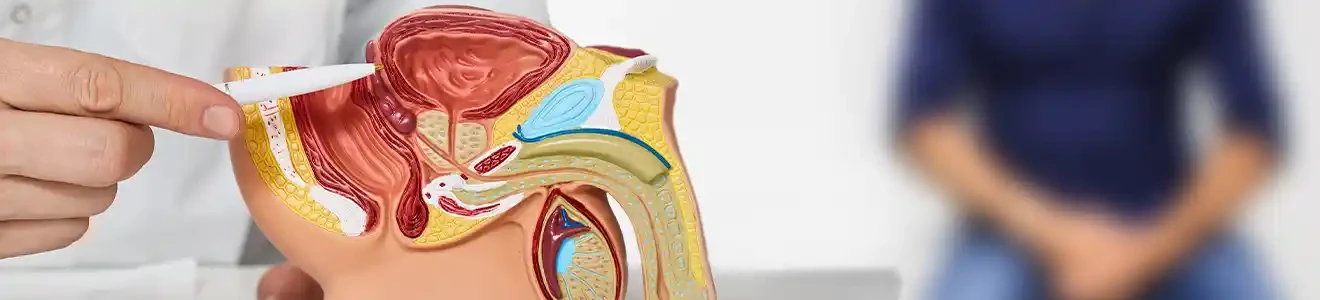
Sexual Dysfunction and Structural Disorders
Andrological Diseases and Sexual Dysfunctions
Male sexual health is a complex mechanism in which the vascular structure, nervous system, hormones, and psychological state work together. Disruptions occurring at any step of this mechanism may negatively affect a person's self-confidence and partner relationships. In the Andrology Clinic of Egemed Hospitals, the underlying causes of these problems are identified, and patient-specific treatment plans are developed.
Erectile Dysfunction
It is the inability to achieve or maintain an erection sufficient for satisfactory sexual performance. It may develop not only psychologically, but also organically due to diabetes, hypertension, vascular occlusion, or neurological diseases. Following diagnosis, treatment is planned with oral drug therapies, injections, shock wave therapy (ESWT), or penile prosthesis (happy rod) surgery in necessary cases.
Premature Ejaculation
It is the condition of ejaculating earlier than desired and with minimal stimulation during sexual intercourse. It is the most common sexual dysfunction in the community. After underlying prostate infections or hormonal irregularities are ruled out, it can be managed successfully with behavioral techniques, local anesthetic creams, oral medical therapies, and psychological support.
Testosterone Deficiency (Hypogonadism)
It is the condition where the testes cannot produce adequate levels of the male hormone (testosterone). It may develop as a result of advanced age (andropause), genetic factors, or testicular trauma. It leads to chronic fatigue, loss of sexual desire (libido loss), muscle wasting, depression, and osteoporosis (bone loss). After a definitive diagnosis is made via blood tests, hormone replacement therapies are administered.
Penile Curvature (Peyronie's Disease)
It is the occurrence of pain and curvature in the penis during erection due to plaque (scar tissue) formation in the elastic tissue inside the penis. This condition can make sexual intercourse painful and impossible. While medication or intralesional plaque injection therapies are applied in early stages, surgical correction methods (such as the Nesbit procedure) are resorted to in advanced cases where the curvature progresses and calcification develops.