
 Türkçe
 Русский
 Español
 Deutsch


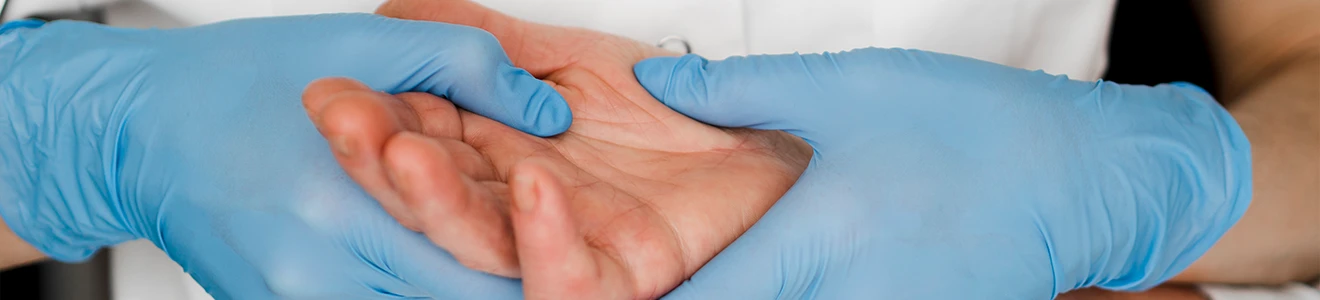
Medical Approach to Fractures, Dislocations, and Ligament Injuries
Approach to Fractures, Dislocations, and Ligament Injuries of the Hand and Wrist
Our hand consists of 27 small bones (carpals, metacarpals, and phalanges) and dozens of ligaments holding these bones together. Musculoskeletal injuries resulting from falls, sprains, sports accidents, or major trauma directly impair the fine motor movements of the hand.

Hand and Wrist Fractures
Distal radius fractures or scaphoid (carpal bone) fractures in the wrist are among the most common injuries. In particular, scaphoid bone fractures heal very difficultly due to their anatomical structure. Depending on the position of the fracture (whether it is displaced), the patient may undergo splint/cast immobilization; whereas in fractures with a risk of displacement, surgical fixation is performed using K-wires (Kirschner wires), mini plates, and screws.
Joint Dislocations and Ligament Tears
Even if the bones are intact, the rupture of the ligaments holding the joint together leads to severe instability in the hand. For example, "Skier's Thumb" (UCL tear) observed in the thumb makes gripping objects impossible. While dislocations diagnosed in the early period are reduced and placed in a splint; anatomical repair is performed using microsurgical sutures or suture anchors in full-thickness ligament tears where tissue is interposed.