
 Türkçe
 Русский
 Español
 Deutsch
 Français



What Is Longevity? About Healthy Aging
Literally, longevity means "long life" or "capacity for a long life." In medicine and wellness, it is a holistic approach that aims not only to extend lifespan but to spend it free of chronic disease, vigorous and with a high quality of life.

What You Need to Know About Gallstones
The gallbladder stores bile and directs it into the intestine during meals. Gallstones, formed when bile crystallizes, usually cause no symptoms; treatment is needed if pain or complications develop. Regular follow-up and, when necessary, surgery offer a sound solution.

Don't Dismiss Diarrhea
In children with diarrhea and vomiting, the most critical step is replacing the lost fluids and electrolytes. Adequate fluid intake both helps protect against infections and speeds recovery during illness; in breastfed infants in particular, breastfeeding should be more frequent.

Drink Plenty of Fluids Against the Flu
In periods when seasonal infections increase, the body's water balance plays a critical role in keeping the immune system strong. Adequate fluid intake helps protect against illness and, in case of infection, supports recovery and makes it easier for toxins to be eliminated from the body.

Nutrition in Older Age
With advancing age, muscle loss, reduced bone density, a slowing metabolism and changes in fluid balance are seen in the body. In this natural process, balanced nutrition, adequate water intake and regular physical activity play a decisive role in protecting health.
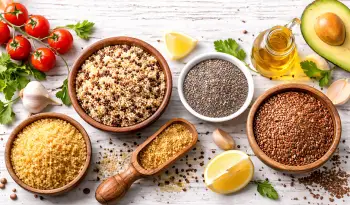
Is There a Miracle Food? Quinoa, Bulgur, Chia and Flaxseed Compared
Quinoa, bulgur, chia seeds and flaxseed have often been called “miracle foods” in recent years. But are they really? This article compares popular and traditional foods in terms of calories, protein, fiber, glycemic index and health effects.

The Sun's Heat and Rays Each Take Their Own Toll
As summer temperatures rise, both the sun's heat and its harmful rays can cause serious health problems and even life-threatening risks. High temperature is reported to cause excessive sweating, leading to fluid and mineral loss, and fluid loss can in turn lead to low blood pressure.